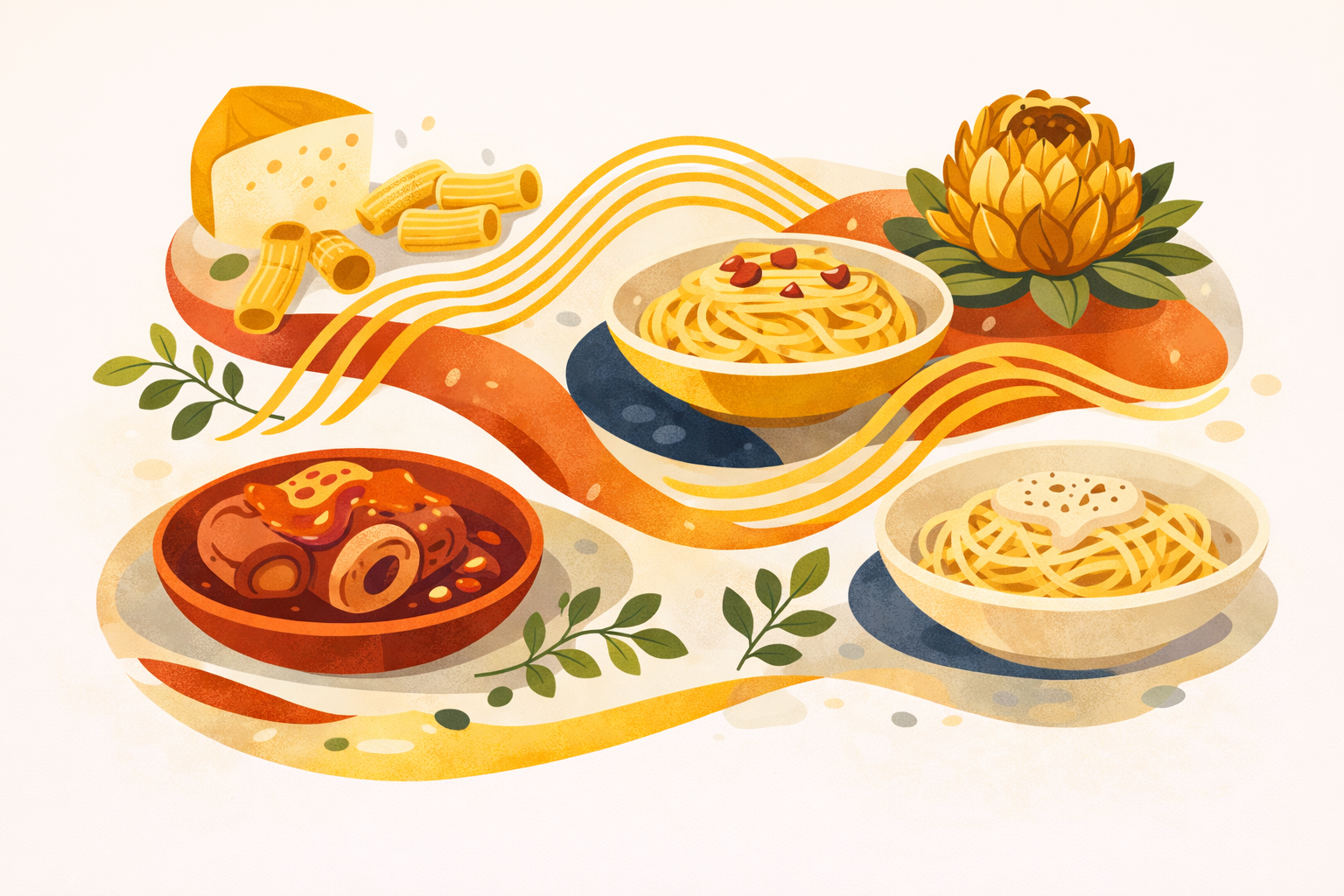

When in Rome, eat like a Roman.
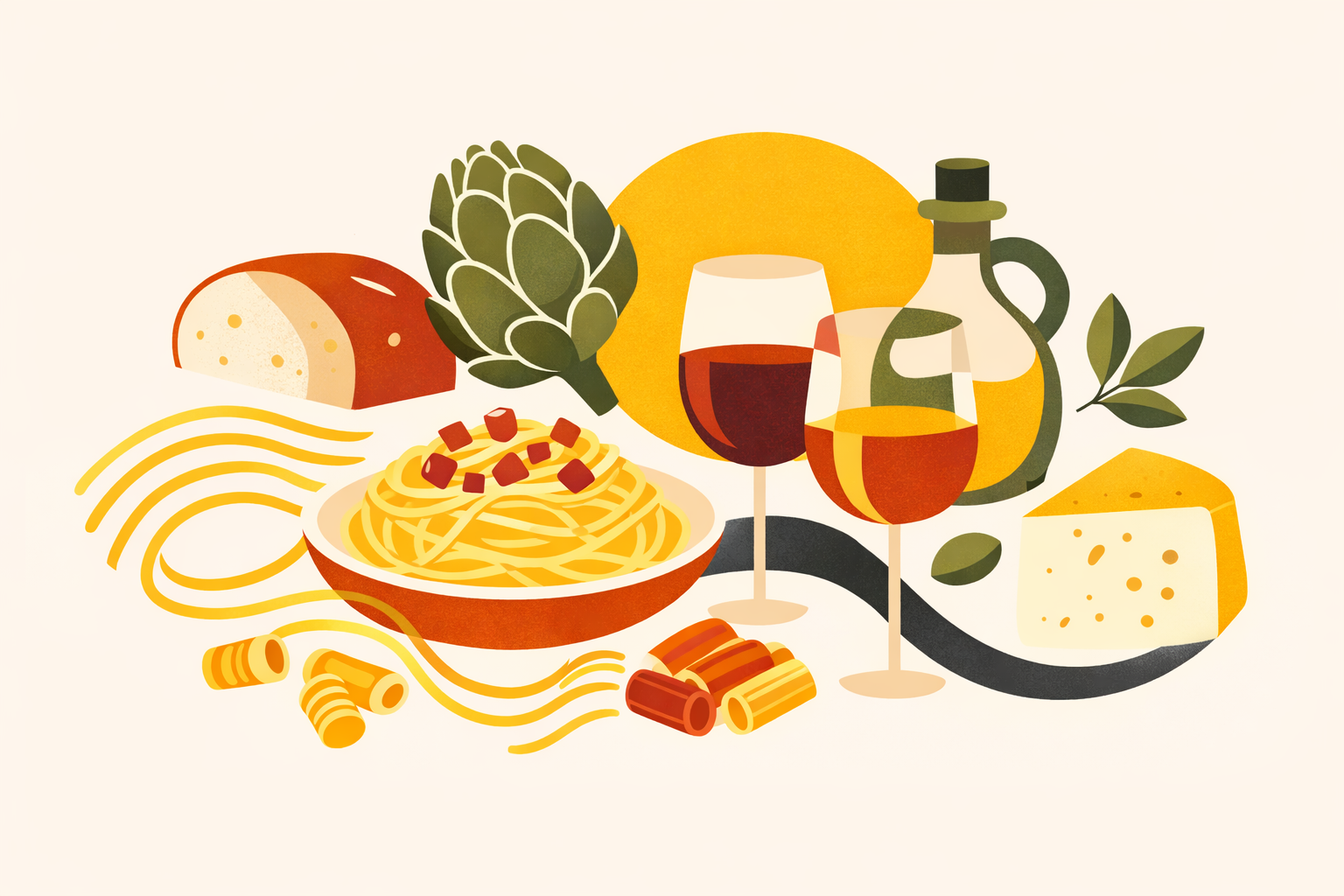
The Eternal City is not only a feast for the eyes but also for the palate. Roman cuisine is bold, rustic, and deeply tied to tradition. Rooted in simple ingredients — pecorino cheese, guanciale (cured pork cheek), artichokes, and lamb — the dishes of Rome tell stories of working-class origins, centuries-old customs, and timeless flavors that remain as relevant today as they were in the days of emperors and popes.
If you want to truly experience Rome, you need to taste it. Here are the 10 traditional Roman dishes you absolutely must try on your next visit.
1. Carbonara
Perhaps the most famous Roman pasta worldwide, carbonara is as simple as it is sublime. Made with only a handful of ingredients — pasta (usually rigatoni or spaghetti), guanciale, pecorino Romano cheese, egg yolks, and black pepper — this dish proves that simplicity can deliver perfection.
⚠️ Important note: authentic Roman carbonara never includes cream. The creamy texture comes entirely from the emulsion of eggs and cheese.
📍 Where to try it: Roscioli (near Campo de’ Fiori) or Da Enzo al 29 (Trastevere).
2. Amatriciana
Hailing originally from the town of Amatrice but perfected in Rome, amatriciana is another pasta classic. It combines guanciale, tomato sauce, and pecorino Romano, all tossed with bucatini or spaghetti.
The dish represents the soul of Roman home cooking: hearty, flavorful, and impossible to forget.
📍 Where to try it: Armando al Pantheon or Trattoria Da Teo (Trastevere).
3. Cacio e Pepe
Literally “cheese and pepper,” cacio e pepe is the essence of Roman cooking: minimal ingredients, maximum flavor. Just pasta, pecorino Romano, and freshly ground black pepper — but when combined properly, they create a velvety, peppery sauce that clings perfectly to tonnarelli pasta.
📍 Where to try it: Felice a Testaccio — their cacio e pepe is legendary.
4. Gricia
Often called the “ancestor” of both carbonara and amatriciana, gricia is a pasta dish made with guanciale, pecorino Romano, and black pepper. With no eggs or tomato, it’s a pure and flavorful showcase of Roman staples.
📍 Where to try it: Osteria Angelino dal 1899 or Flavio al Velavevodetto (Testaccio).
5. Supplì
No Roman street food is more iconic than supplì. These fried rice balls are typically stuffed with ragù and mozzarella, then breaded and fried until crispy. Break one open, and the melted mozzarella stretches like a telephone cord — earning them the nickname supplì al telefono.
📍 Where to try it: Supplizio (by chef Arcangelo Dandini) or I Supplì (Trastevere).
6. Saltimbocca alla Romana
Moving on to second courses, saltimbocca alla Romana is a tender veal cutlet topped with prosciutto and fresh sage, then cooked with white wine and butter.
📍
7. Carciofi alla Giudia
Rome’s Jewish Ghetto is one of the city’s culinary hearts, and one of its most famous contribution is carciofi alla giudia — deep-fried artichokes, opened like a flower until crisp and golden. Seasonal (available mostly in spring and early summer), they are a true delicacy.
📍
8. Trippa alla Romana
A humble dish turned into a local favorite: tripe stewed in a rich tomato sauce, flavored with mint and topped with pecorino Romano. Traditionally eaten on Saturdays, it represents the working-class soul of Roman cuisine.
📍
9. Abbacchio alla Scottadito
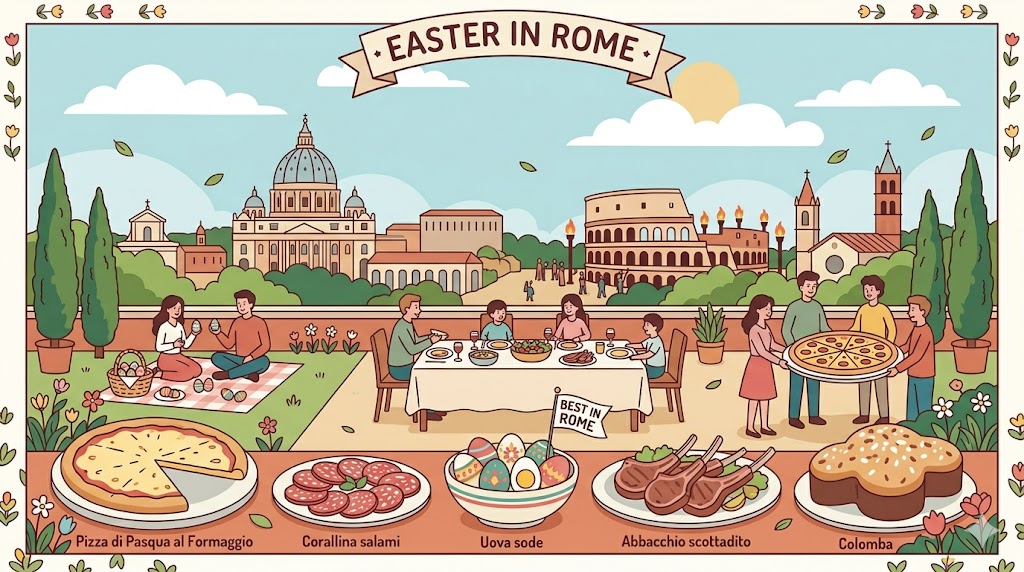
Lamb has always been central to Roman cooking, especially around Easter. Abbacchio alla scottadito are grilled lamb chops, seasoned simply with olive oil, salt, and rosemary. The name translates to “burn your fingers,” since they’re so delicious you won’t wait for them to cool down.
📍
10. Maritozzo con la Panna
No Roman food journey is complete without something sweet. Maritozzo is a soft brioche bun, sliced open and filled with clouds of whipped cream. Traditionally enjoyed at breakfast with a cappuccino, it’s indulgent, nostalgic, and unforgettable.
📍 Where to try it: Regoli Pasticceria (Esquilino).
Conclusion
Roman cuisine is a living history — born from humble roots, elevated by tradition, and carried proudly into modern times. From iconic pastas like carbonara and amatriciana to street food favorites like supplì, every dish tells the story of a city that knows how to eat well.
So when you visit Rome, don’t just admire its monuments — taste them. Because in this city, food is culture, food is history, and food is life.
✨ Discover Rome at its best — one dish at a time.

Lascia un commento